
Services We Offer
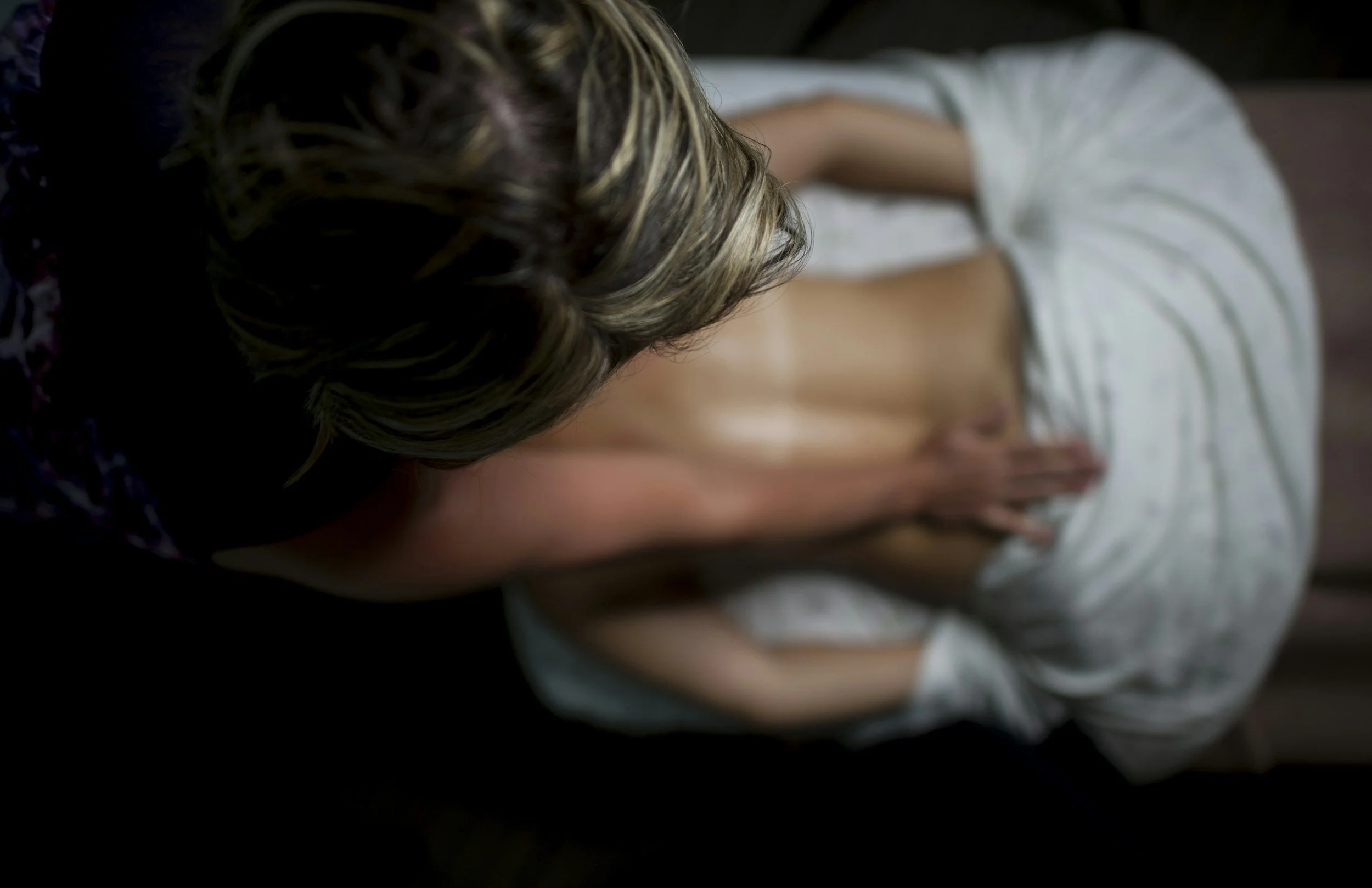
Therapeutic Massage
Therapeutic Massage is a style of bodywork that involves the gentle manipulation of the soft tissues of the body to bring about an improvement in overall health. Benefits most often reported include relief from musculoskeletal aches and pains, an increase in overall relaxation, improved sleep, and improved circulation. This style of treatment combines targeted techniques rooted in Swedish Massage—such as effleurage, kneading, friction and vibration—with attention to breath and body alignment to reduce tension, promote recovery, and support the body's natural healing processes. Sessions are carefully tailored to the needs of every unique individual and may be used alone or alongside other treatments to help reduce chronic pain, manage stress, and enhance physical and mental well-being.
*Treatments include any use of heat/ice, gentle assisted stretching, and passive range of motion. Occasionally a client may be asked to assist in a stretch that requires active engagement. Pressure preference (light, medium, firm) is dictated by the client and communication regarding preferred focus areas will be discussed on a session-to-session basis during the intake process.
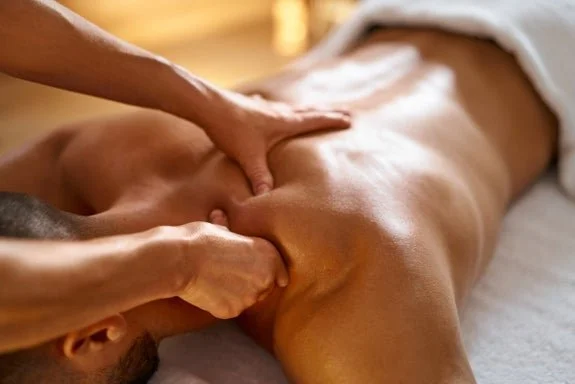
Deep Tissue Massage
Deep Tissue Massage is a style of bodywork that targets the deeper layers of muscles and connective tissue to relieve chronic tension, reduce pain, and improve range of motion. This style of work uses slow, deliberate strokes and sustained pressure, allowing us to work through fascial adhesions and scar tissue to break up chronically stuck areas of the body and restore mobility. It’s especially effective for conditions like chronic neck and back pain, postural and overuse injuries, and sports-related muscle dysfunction. Deep tissue massage can be a powerful part of a recovery or maintenance plan. Sessions may feel intense as the depth we work at is more than that of a therapeutic session, but the work should never be sharply painful; thorough communication that pressure is appropriate for you. Aftercare often includes hydration, gentle stretching, and short-term soreness that typically subsides within a day or two.
*Treatments include any use of heat/ice, firm assisted stretching, and passive range of motion. Occasionally a client may be asked to assist in a stretch that requires active engagement. Pressure preference (firm to deep) is dictated by the client and communication regarding preferred focus areas and treatment goals will be discussed on a session-to-session basis during the intake process.
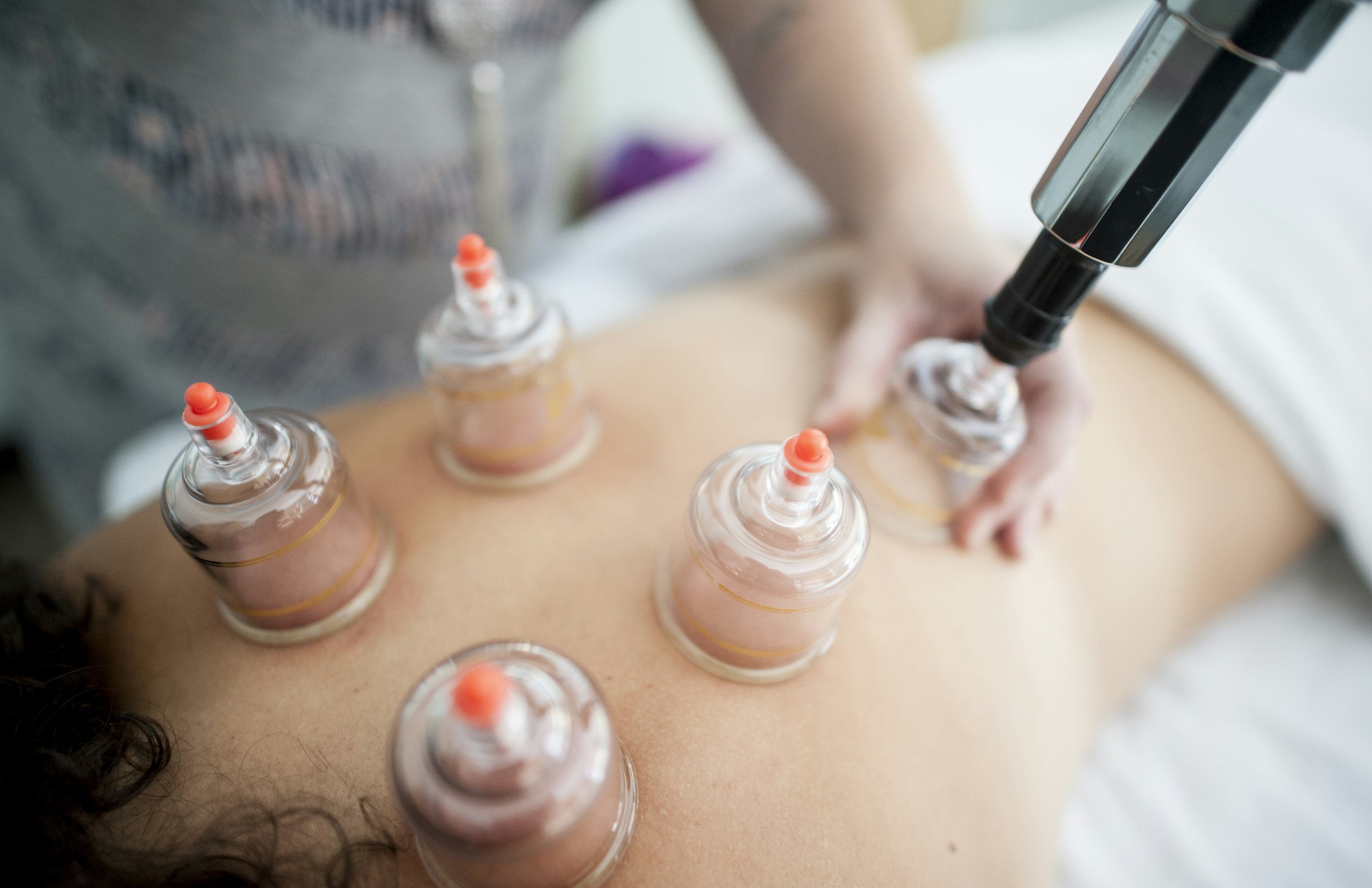
Cupping Massage
Cupping Massage is a style of bodywork that fuses the techniques employed in therapeutic massage with the use of suction cups—typically silicone or plastic—to create negative pressure that can help separate tissue layers, lifting the skin and superficial muscles, increasing local blood flow, and promoting lymphatic drainage. Performed either by gliding the cups along muscles and fascial lines or leaving them stationary for brief periods on particularly restricted areas, this method mobilizes the soft tissues of the body to reduce pain, relieve muscle tension, improve circulation, relax the nervous system, and support post‑exercise recovery. Suction is created mechanically, or by hand, sometimes leaving circular marks that usually fade within days; many people report reduced stiffness and a deep sense of release.
*Treatments include any use of heat/ice, gentle assisted stretching, and passive range of motion. Occasionally a client may be asked to assist in a stretch that requires active engagement. Pressure preference (light, medium, firm) is dictated by the client and communication regarding preferred focus areas will be discussed on a session-to-session basis during the intake process. Level of suction is dictated by the awareness of the therapist, the comfort of the client, and the resistance of the tissues.
Complementary Modalities
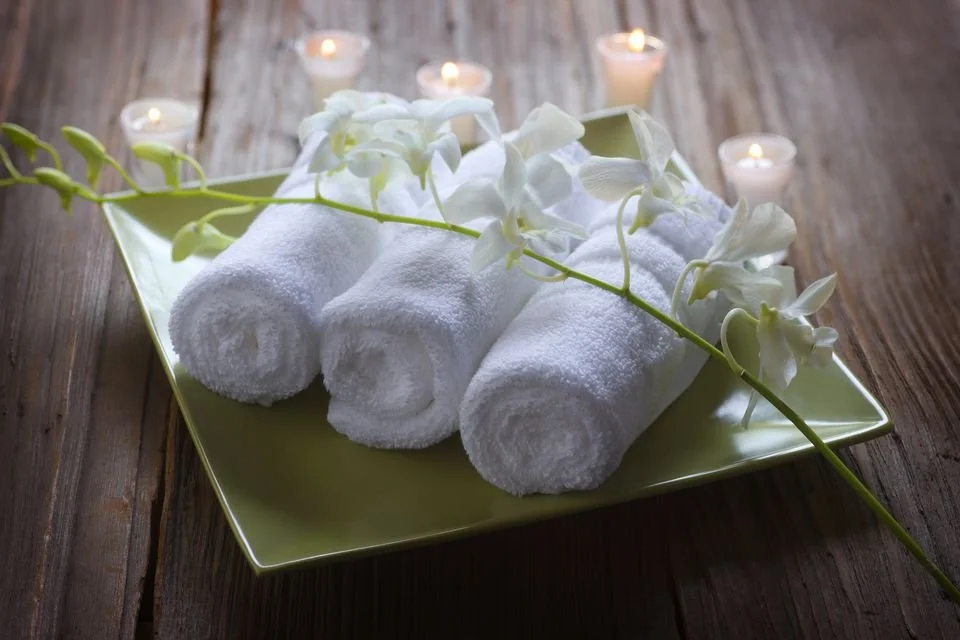
Hot Towels & Ice Packs
The use of hot towels and ice packs is a simple yet effective way to support healing through temperature-based therapy. Hot towels provide moist-heat to increase circulation, relax tight muscles and achy joints, and improve tissue pliability, making it easier to loosen adhesions and deepen work without causing discomfort. They can also be used to soothe areas of chronic stiffness and reduce pain by interrupting pain signals and promoting relaxation. Aside from their therapeutic benefits, hot towels just feel amazing and anyone who has worked with me knows it is the perfect way to wrap up a session.
Alternatively, the use of ice packs can help reduce inflammation, numb acute pain, and limit swelling after overuse or injury. Applied briefly and appropriately, cold therapy can calm hyperirritable tissues and help control post-treatment soreness when deeper techniques are used. Combining heat before massage to warm and loosen tissues, followed by brief cold application afterward to manage inflammation, offers a balanced approach that leverages the benefits of both modalities.
*The use of this modality is always optional and when utilized it is tailored to the client’s specific needs and tolerance.
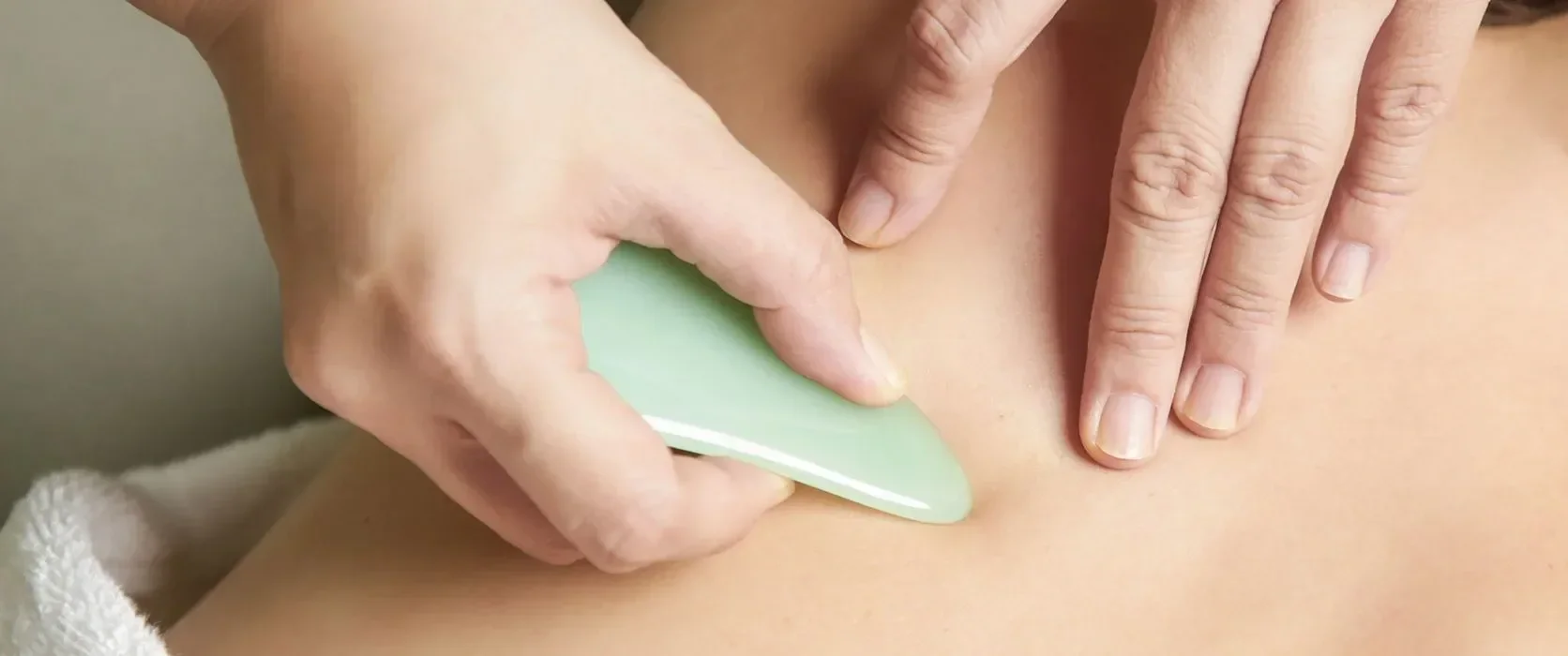
Instrument Assisted Soft Tissue Mobilization
IASTM / Gua Sha / Myofascial Scraping
Instrument-assisted soft tissue mobilization (IASTM), often called myofascial scraping, is a hands-on technique that uses specially designed tools to treat soft-tissue restrictions in the muscles and fascia of the body. As a complement to your massage, IASTM can help locate adhesions, promote improved mobility by applying focused mechanical pressure and microtrauma to restricted areas, and stimulate localized tissue healing. Clients frequently report reduced pain, increased range of motion, and faster recovery when IASTM is combined with conventional therapeutic massage, stretching, and rehabilitative exercises. The approach is adaptable to many conditions—sports injuries, chronic tension, postoperative scarring—and can be safely integrated into a treatment plan. Pressure and duration can be tailored to the client’s tolerance and clinical needs as an add-on to a scheduled session.
Optional Enhancements:
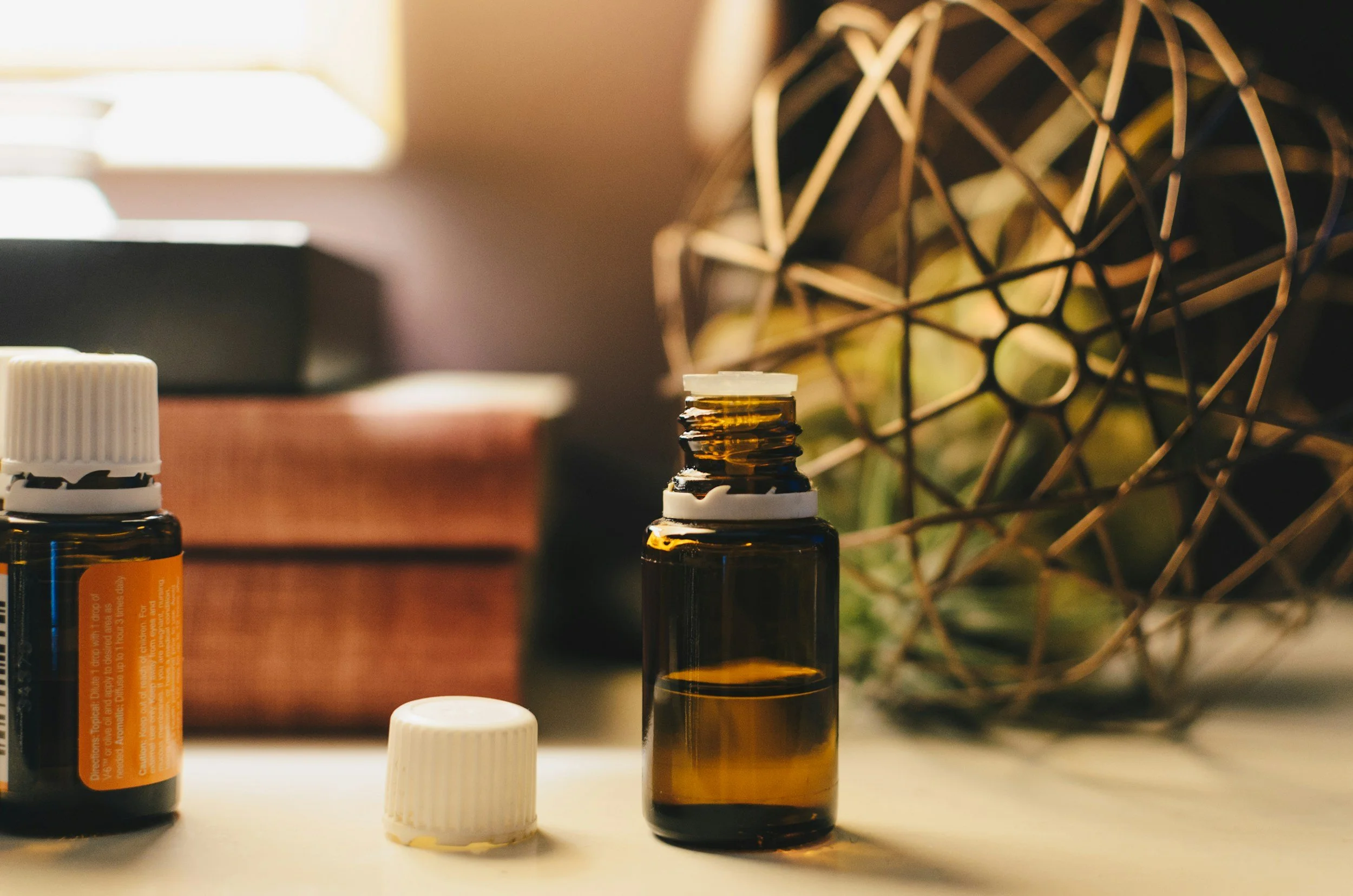
Aromatherapy
Aromatherapy in massage uses concentrated plant extracts—essential oils—blended with our rich massage cream to enhance the physical and emotional benefits of therapeutic touch. Familiar scents like lavender, peppermint, and citrus are commonly used in blends to promote deep relaxation, reduce stress, ease muscle tension, and uplift mood. The client selects their own oils to complement specific techniques and individual needs, to be delivered through both inhalation and skin absorption. When applied correctly, aromatherapy can deepen relaxation, intensify the restorative effects of massage, and support overall physical and mental well‑being.
*To ensure safety and comfort, proper dilution guidelines are followed and screening for scent sensitivities, allergies, pregnancy considerations, and potential interactions with medications is done during the intake process.
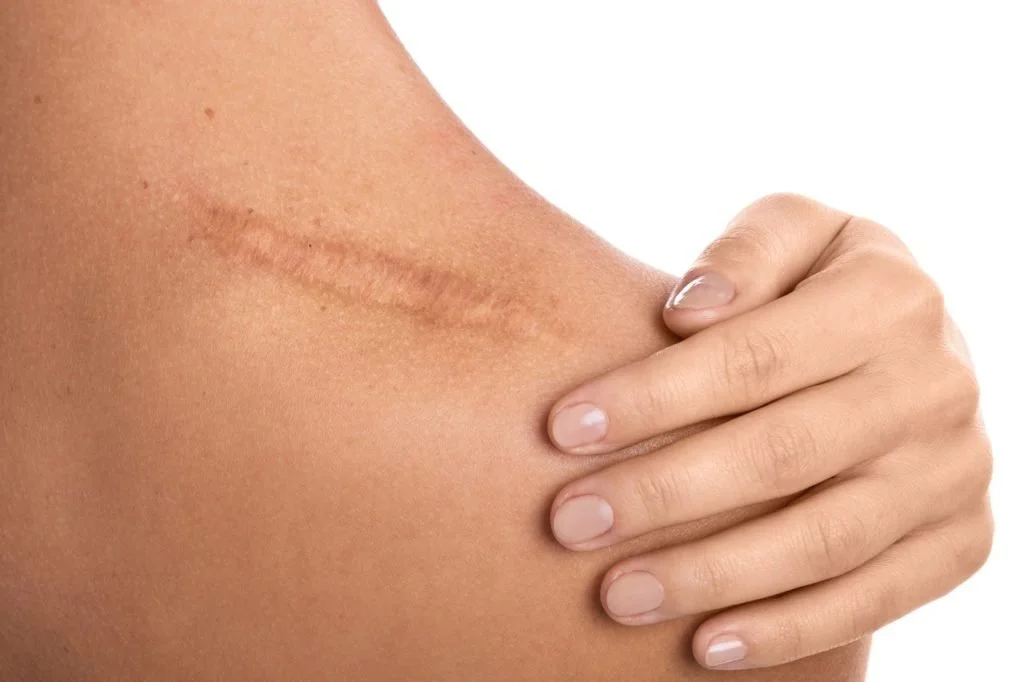
Scar Tissue Massage
Scar tissue massage is a targeted manual therapy that helps soften, flatten, and realign scar tissue after surgery, injury, or burns. By applying controlled pressure and specific techniques, this type of manipulation promotes circulation, reduces adhesions between skin and underlying tissues, and improves range of motion and flexibility. Regular sessions can decrease scar sensitivity, itching, and discomfort while encouraging more supple, functional tissue remodeling. Most often scar tissue massage is all done by hand, however the use of instruments such as scrapers, cups, and handheld ultrasound machines can be employed for particularly thickened or restrictive scarring. Scar tissue massage is typically introduced once wounds are fully healed and can be adapted to the scar’s age, location, and individual tolerance.
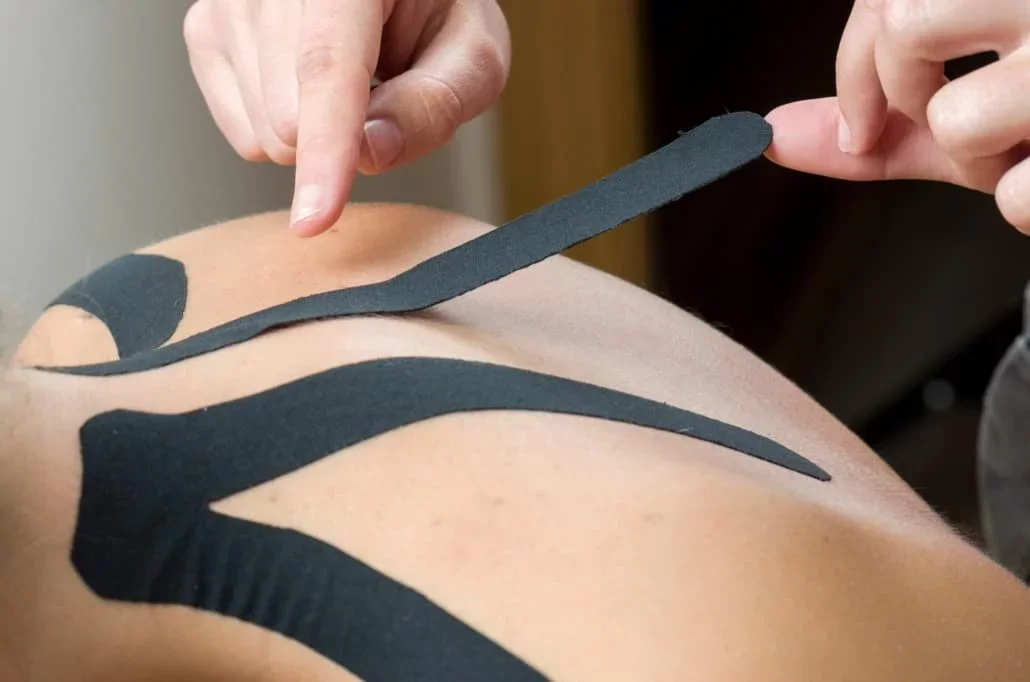
Kinesiotaping
Kinesiotaping is a flexible, adhesive taping method that complements massage therapy by supporting muscles, reducing pain, and promoting lymphatic drainage without restricting movement. When applied after a massage, kinesiotape can prolong treatment effects by maintaining improved muscle alignment, encouraging circulation, and helping reduce inflammation in targeted areas. It’s particularly useful for clients recovering from strain, managing chronic tension, or seeking extra support during activity, as it provides gentle, continual feedback to the nervous system. Applied by a trained therapist, kinesiotape is water-resistant and typically comfortable to wear for several days, allowing therapeutic benefits to continue between sessions while clients remain active and carry out daily tasks. Proper application and skin preparation help maximize effectiveness and minimize irritation.